💛The Stories Flowers Hold: Memory, Meaning & Botanical Art 🌼
Jan 04, 2026
My grandmother kept roses.
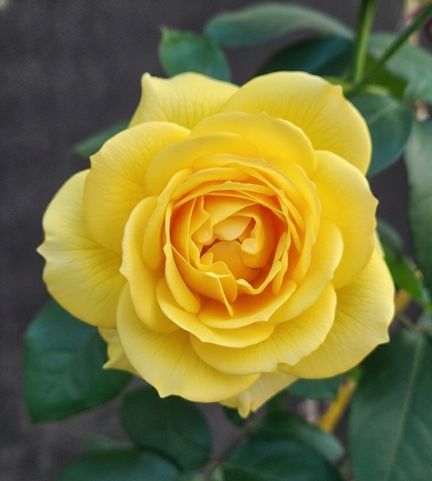
Not in a grand garden—though she would have loved that—but in a glass vase on the kitchen table. Every Sunday, without fail, she'd buy a small bunch from the corner market. Yellow, usually. Sometimes white.
I didn't understand it then. I was seven, maybe eight, and flowers seemed like the most impractical thing you could spend money on. They died. Always. Within a week, those petals would brown at the edges and drop onto the tablecloth.
"Why do you keep buying them if they just die?" I asked her once.
She was washing dishes, her hands deep in soapy water. She didn't turn around.
"They don't just die," she said. "They bloom first."
I'm thinking about that conversation now, in January, as I arrange dried botanicals on my studio table. New year. Fresh start. All those words we use to convince ourselves that time works in neat chapters.
But memory doesn't work that way.
Memory works like scent. Like the way a whiff of honeysuckle can pull you back thirty years to a summer you thought you'd forgotten. The way lilac means May, means mothers, means something tender you can't quite name but feel in your chest anyway.
The stories flowers hold aren't the ones we plan. They're the ones that catch us sideways.
Last spring, I painted a series of orchids. Pink ones, the kind with delicate veins running through translucent petals. I wasn't thinking about anything in particular when I started—just the curve of the petals, the way they seemed impossibly fragile yet somehow held their shape.
A woman bought one at a show in the summer.
She stood in front of it for a long time. Long enough that I noticed. Long enough that I started to feel self-conscious, the way you do when someone's really looking at your work instead of just glancing.
Finally, she turned to me. "My daughter loved orchids," she said. "Pink ones."
Loved. Past tense.
I didn't know what to say. I never know what to say in those moments. So I just nodded, and she bought the painting, and I wrapped it carefully in pink paper, and she left.
I think about her sometimes. I wonder where that painting hangs now. I wonder if it still holds what she needed it to hold.
This is what I've learned about painting flowers: I'm not really painting flowers.
I'm capturing the moment before the bloom opens completely. The moment of anticipation. I'm painting memory, which is always just slightly out of focus, slightly more beautiful than the actual moment was. I'm painting the way things feel rather than the way they look.
When I press botanicals now—leaves, petals, the skeletal remains of Field Pennycress—I'm saving something. Not the plant itself, which is already gone, already past. But the shape of it. The shadow it casts. The story it might tell someone else someday.
My grandmother died years ago in November. Winter. No flowers on the table.
At her funeral, someone—an old neighbor, maybe—brought roses. Yellow ones. They sat on a table near the door, and every time someone walked past, the air shifted and carried that scent across the room.
I stood there, seven years old again, watching her shake out a tablecloth out the back door. Watching petals fall to the ground.
"They don't just die," she'd said. "They bloom first."
This January, I'm starting a new series. Botanicals, yes, but also the spaces around them. The negative space. The absence that makes the presence visible.
Because that's what memory is, isn't it? The shape of what's no longer there. The scent of something that's already faded. The bloom before the fall.
And maybe that's enough. Maybe that's everything.
Maybe the point was never to keep them from dying.
Maybe the point was always just to notice that they bloomed at all.
What flower holds a memory for you? I'd love to hear your stories—reply in the comments or send me a message. Sometimes the stories flowers hold are the ones we need most to tell.