

🌸✨ April's Fleeting Blooms: Gone Before May Arrives
May 05, 2026
🌼🏔️ Avalanche Lilies: Beauty Born from Snow
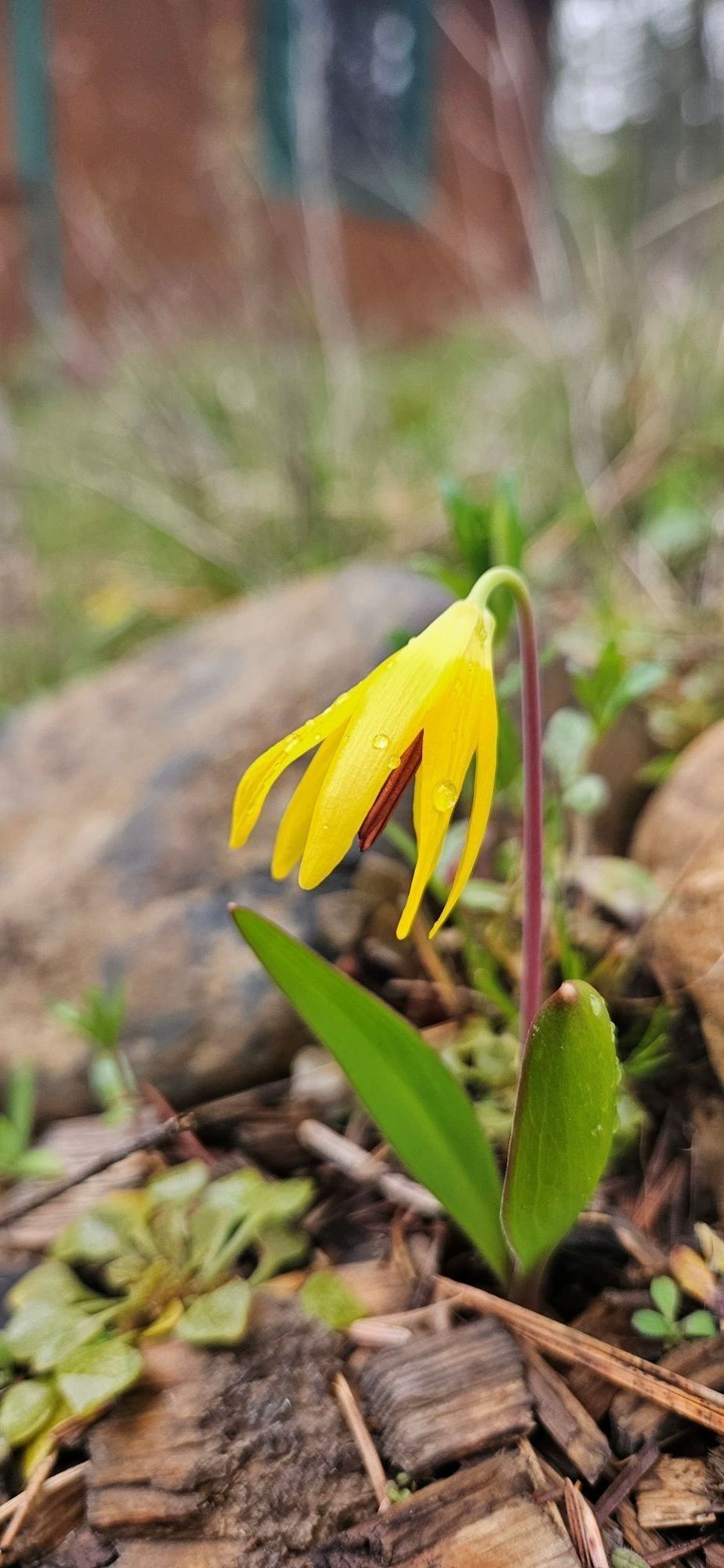
The avalanche lilies were the first to appear—bright yellow six-petal blooms with vibrant rust stamens pushing up through the last patches of melting snow at the forest edge.
Avalanche Lilies (Erythronium montanum) or Glacier Lilies have this impossible delicacy—nodding yellow petals, slender stems that look too fragile to have emerged from frozen ground. But they're stronger than they look. They have to be.
Their blooming window is short—sometimes just a week or two depending on the weather. I found them in mid-April, collected a few stems carefully, and pressed them immediately. By the end of the month, the ones I'd left were already fading.
Now those pressed blooms sit in my studio, waiting to become part of a future artwork. They hold the memory of a specific morning, a specific moment when the forest felt impossibly new.
💛🌾 Sagebrush Buttercups: Gold in the Dry Places
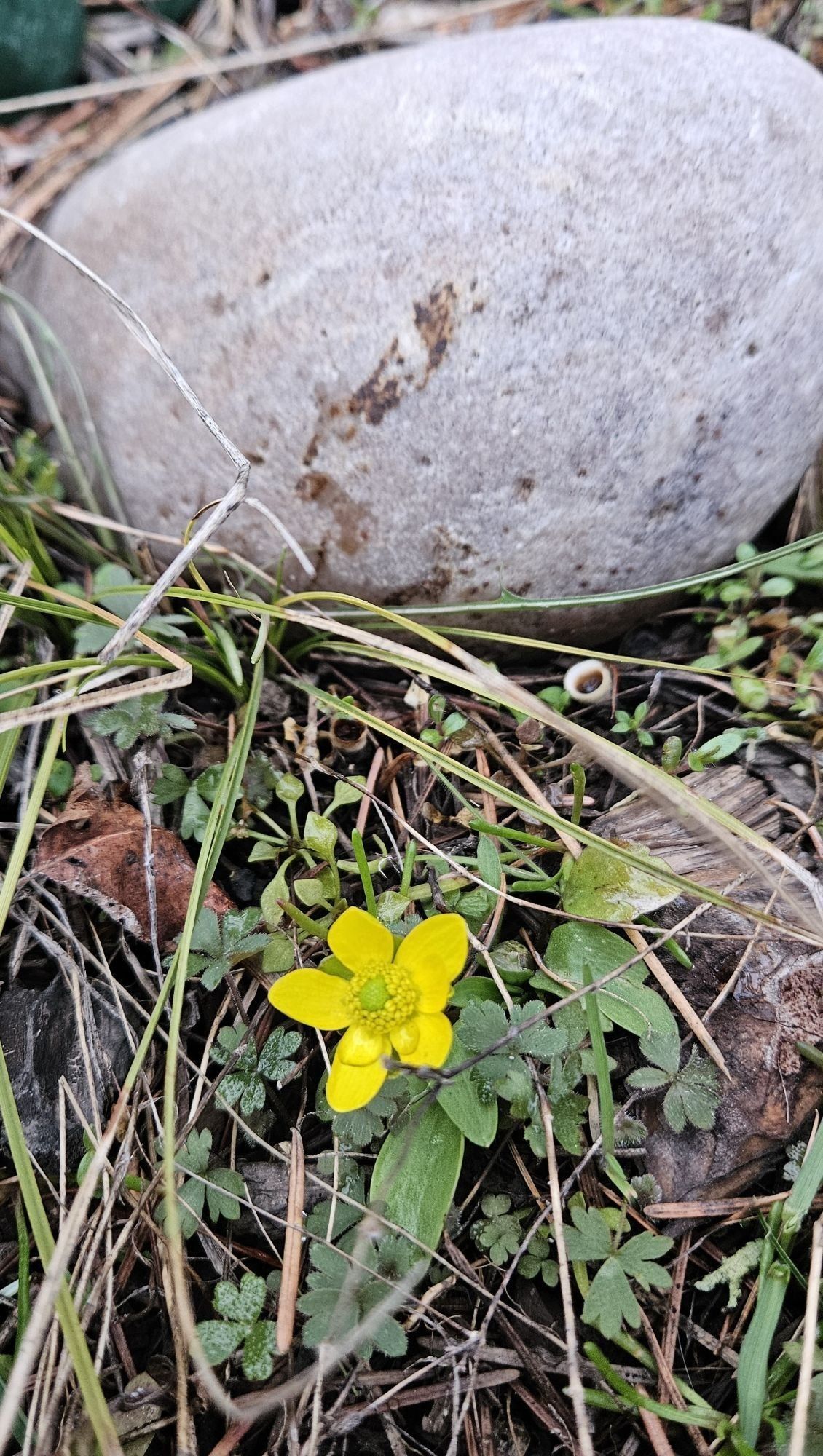
A few days after the Avalanche lilies appeared, I noticed the sagebrush buttercups (Ranunculus glaberrimus)—cheerful yellow blooms hugging the ground near the edge of the property where the soil is rocky and dry.
They're small—easy to miss if you're not looking. But once you notice them, you see them everywhere, like someone scattered gold coins across the forest floor.
What I love about Sagebrush Buttercups is their defiance. They don't wait for ideal conditions. They bloom in poor soil, in places where water is scarce, in the lingering cold. They make beauty anyway.
I collected many and pressed them while they were still fresh and bright—that particular yellow is hard to capture, bright but not garish, warm without being orange. Their season lasted maybe 2 weeks. Then they were done.
🌸💗 Shooting Stars: The Ones That Stop You in Your Tracks
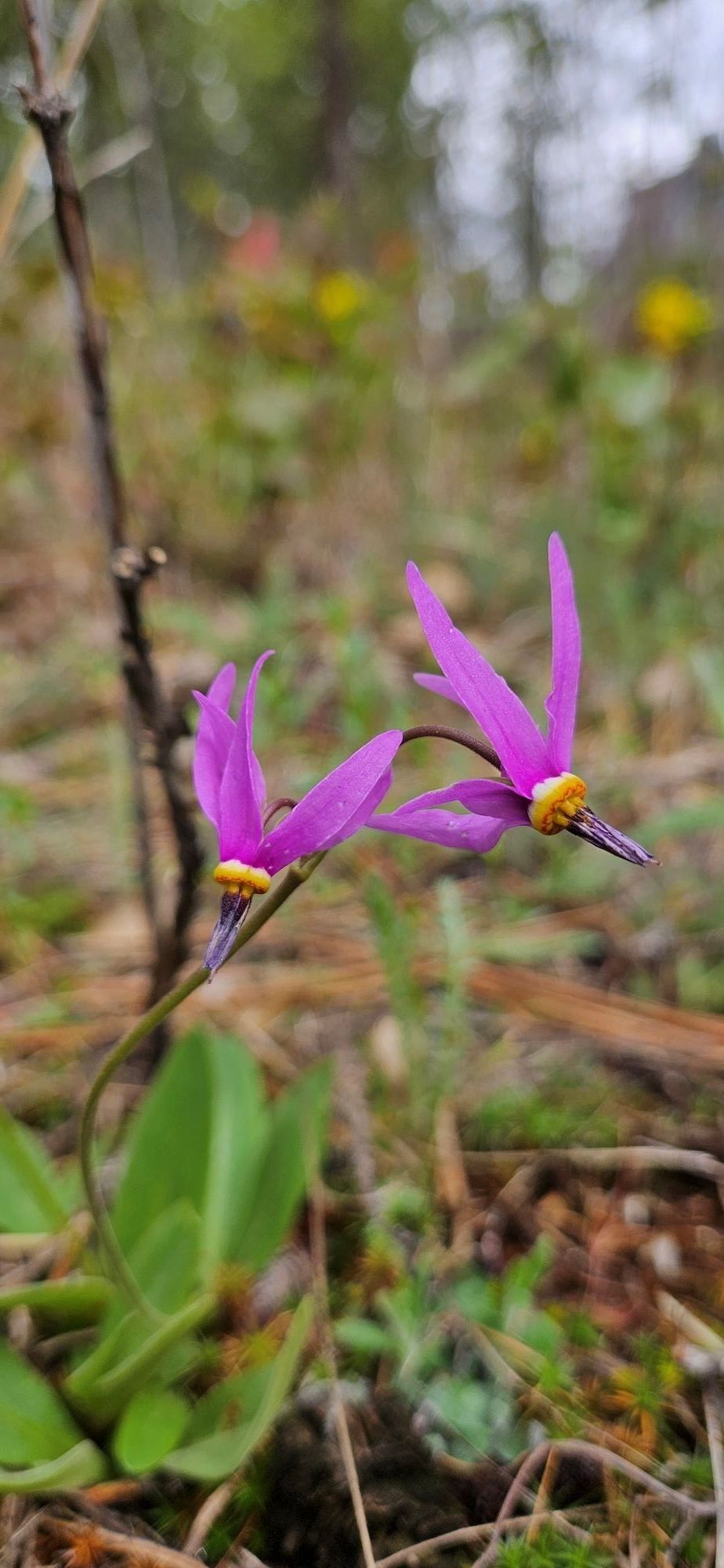
And then, in mid-April, the shooting stars (Dodecatheon pulchellum) appeared in a damp, shaded corner of our property near where water collects in spring.
They look like something from a fairy tale. Deep lilac petals swept backward as if frozen in flight, yellow beaks pointing down toward the earth. They grow in clusters, multiple blooms on a single stem, and when I found them unexpectedly I actually stopped walking and just stared.
"Pretty Shooting Star" is one of their common names, and it's almost too obvious. But accurate.
Their timing is tricky. They need moisture but not standing water. They need warmth but not heat. The window when conditions align is brief. I found them in the same spot as last year, collected a few stems, and pressed them immediately. A week later, they were already setting seed, those distinctive swept-back petals dried and brown.
It taught me something about attention. About how much we miss simply by not being in the right place at the right moment. About how beauty doesn't wait for us to be ready.
⏳🌿 What Fleeting Beauty Teaches Us
There's something about ephemeral wildflowers that cuts through the noise of daily life.
They don't care about our schedules. They don't wait for convenient moments. They bloom when they're ready, for as long as conditions allow, and then they're done. No extensions. No second chances.
This could feel frustrating—and sometimes it is. But mostly, it's a gift.
Because fleeting beauty teaches us to pay attention now. To check the forest floor every few days in April. To prioritize presence over productivity. To understand that some moments can't be replanned or rescheduled. You either notice, or you miss it.
When I'm in my studio working with these pressed botanicals—flowers I gathered at their peak and preserved—I'm always aware of this temporality. The bloom I pressed is both present and past. It existed fresh for maybe a week or two. Now it exists in this transformed state, color shifted, texture changed, but still holding the shape of that brief peak moment.
This is what botanical art does. It says: this mattered. This was beautiful. This was here, even if only briefly.
These pressed wildflowers will eventually become part of larger works—framed studies, collages, mixed media pieces. They'll be paired with other elements, other flowers from other seasons. But each one carries the story of its particular moment. That time in April when conditions aligned. The morning I found it. The day I pressed it before it could fade.
🌸💭 The Invitation
May is here now. The Avalanche Lilies, Sagebrush buttercups, and Shooting stars have finished their brief, brilliant show on our property. But there are other blooms popping up. Other fleeting moments of beauty.
The question is: will we be paying attention?
Will we check the forest floor? Will we notice when something shifts? Will we prioritize being present for beauty, even when it requires us to slow down?
These wildflowers don't bloom for us. They bloom because that's what they do. But we get to witness it, if we choose. We get to say yes to the invitation—to show up, to notice, to let ourselves be stopped by something impossibly delicate and impossibly strong.
Next spring, they'll bloom again. Different timing, different conditions, different moments.
The question is: will we be there?
🌼 What fleeting beauty have you witnessed this spring? Have you ever noticed something beautiful that was only there for a moment? What wildflowers have stopped you in your tracks? I'd love to hear your stories—share in the comments or send me a message. 🌼
Ready to bring the beauty of wildflowers into your space? Browse my collection of botanical art and pressed botanicals at [LeftBrainCreative.Art].
Each piece captures a specific moment, a particular bloom, a fleeting beauty preserved. And if you'd like to commission a piece featuring a wildflower that's meaningful to you, reach out—I'd love to create something that honors what you've noticed.
Follow along on Instagram and Facebook to see what's blooming in my studio and in the wild. 🌿✨