🌿🖼️ Human-Made Art: The Role of Imperfection in Creating Authentic Art | Left Brain Creative - Art by JMB
Apr 05, 2026
🖌 WHAT MAKES ART HUMAN
When we look at a piece of original art and feel something move inside us, what we are responding to is not technical perfection. It is evidence of another consciousness at work.
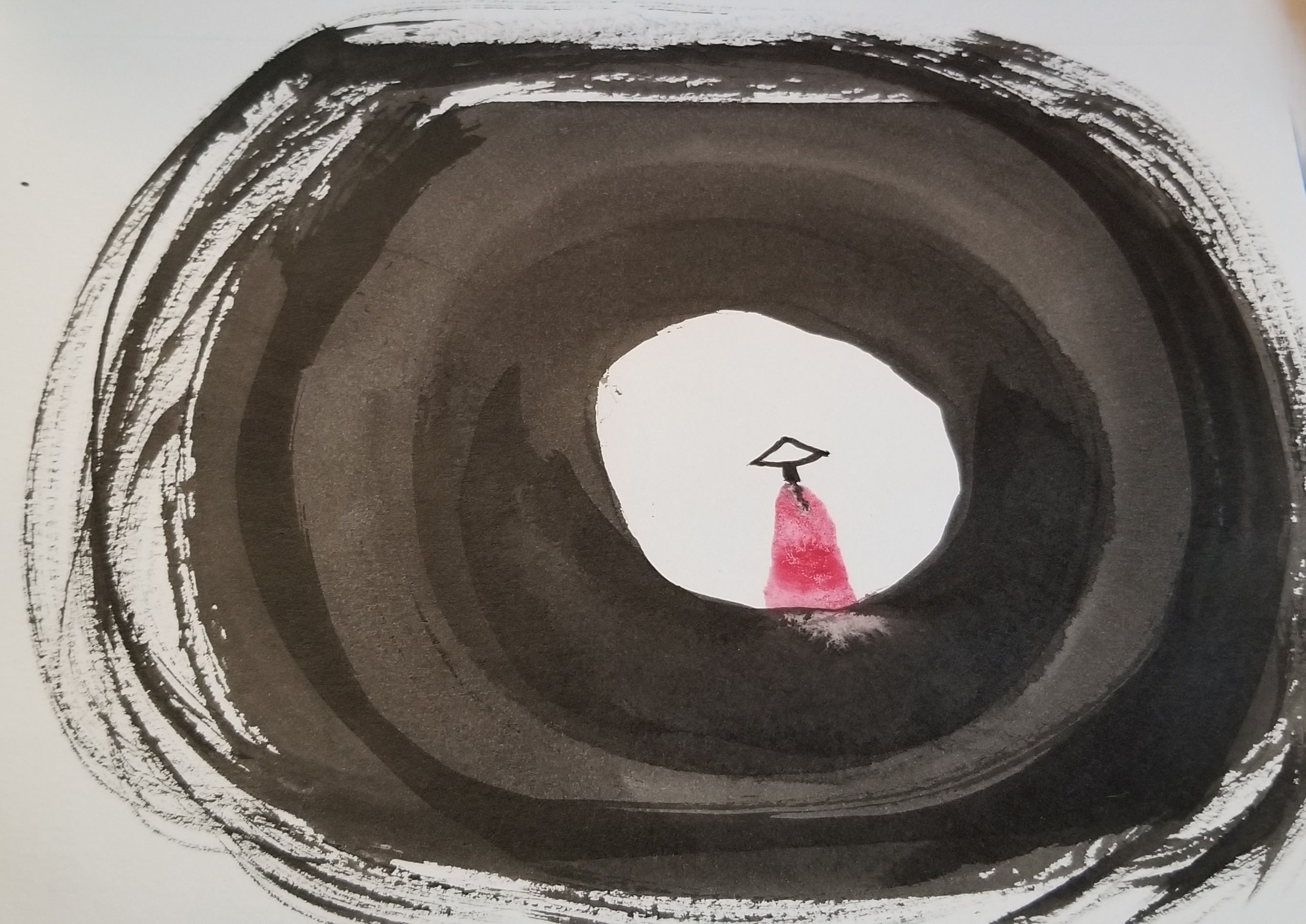
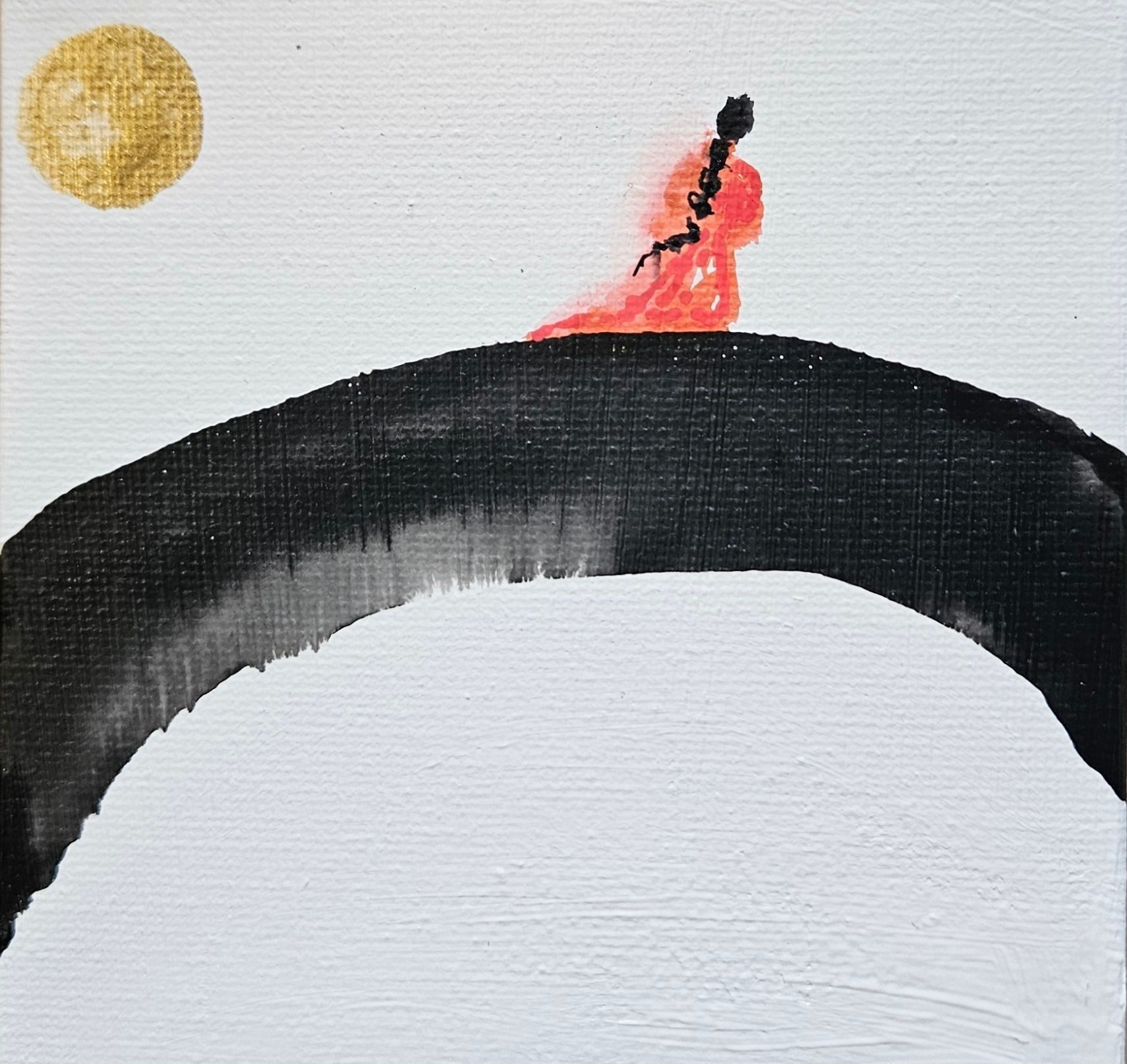
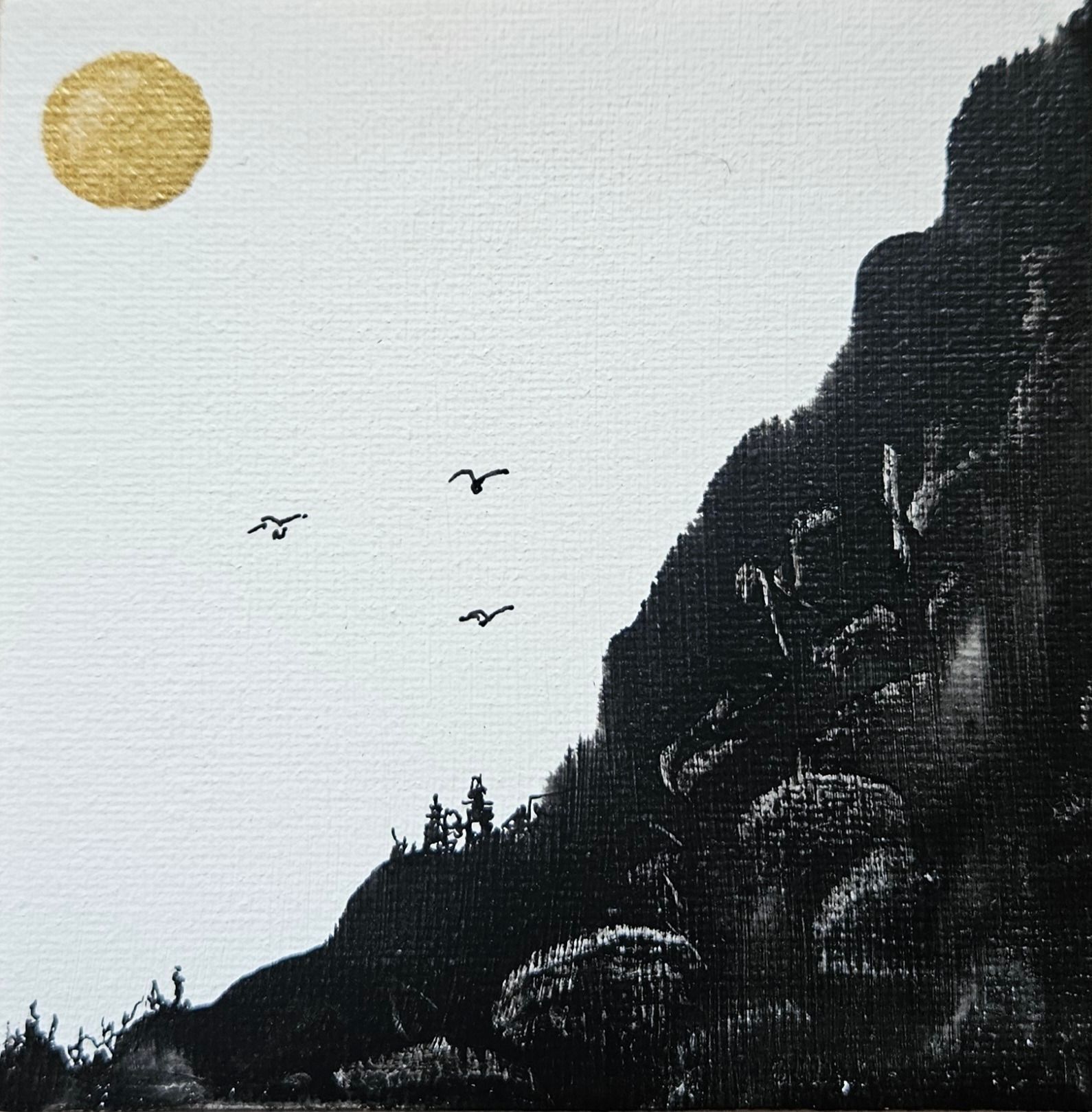
The specific weight of a brushstroke tells us something about the speed and confidence of the hand that made it. A reworked area in charcoal — smudged, redrawn, smudged again — speaks of a person wrestling with how to say something true. A hand-stitched textile carries the rhythm of one person's breath across an afternoon.
These qualities cannot be prompted into existence. They accumulate through time, decision, and the particular physical and emotional state of one human being on one particular day. That is the irreducible quality at the heart of human-made art. It happened. It was real. And the evidence is right there on the surface.
🏺 THE WISDOM OF WABI-SABI
The Japanese aesthetic of wabi-sabi has much to teach us here. At its core, wabi-sabi is the recognition that beauty lives not in the flawless or the permanent, but in the impermanent, the imperfect, and the incomplete.
Its most famous expression is kintsugi — the art of repairing broken ceramics with gold lacquer so that the crack becomes the most beautiful part of the object. The break is not hidden. It is honored. It becomes the thing that gives the piece its history, its character, and ultimately its greater worth.
This is a radical idea in an age of seamless surfaces. But artists have always understood it. The painter who leaves a brushstroke visible rather than smoothing it away. The ceramicist who lets the ash from the kiln settle unevenly on the glaze. The printmaker who prizes the ghost impression of a previous pull. These are not accidents they tolerate. They are choices they protect.
The flaw is not a failure of craft. It is the signature of the maker.
✋ THE COURAGE IT TAKES TO LEAVE THE MARK
There is a particular kind of courage required to resist over-finishing. To stop before the work becomes perfect and trust that what is already there is enough — that the visible evidence of effort and feeling will not put a viewer off, but draw them in.
This courage is what separates art that moves us from art that merely impresses us.
When an artist leaves the mark of their hand in the work, they are making themselves vulnerable. They are saying: I was here. This is how I saw it. This is how it felt. And I am willing to let you see that.
That vulnerability is the point of connection. It is where the art stops being an object and becomes a conversation.
🏡 WHAT COLLECTORS ARE REALLY BRINGING HOME
When someone chooses to hang a piece of original, human-made art in their home, they are not simply buying decoration. They are inviting another person's experience into their most intimate space.
The slight variation in a hand-thrown pot means no two meals eaten from it will feel quite the same. The visible reworking in an oil painting means there is always something new to notice. The irregular stitching in a textile piece means the hand that made it is still somehow present in the room.
These are the qualities that make people keep returning to a work across years and decades and find something new each time. No print-on-demand product, no algorithmically generated image, no mass-produced reproduction can offer this. What it offers is the specific geography of one person's attention — on one day, in one emotional state — and that is, by definition, unrepeatable.
💬 A GENTLE INVITATION
Before you move on, take just a moment with this question.
Think of one object in your home — it does not have to be art — that is imperfect and that you love for precisely that reason. Perhaps it is a mug with a small chip. A handwritten letter with crossed-out words. A photograph that is slightly blurred.
What is it about that imperfection that makes the object feel more yours, more real, more worth keeping?
There is no right answer. Just the noticing. And perhaps, in that noticing, a small reminder of what we are really looking for when we seek out things made by human hands.
I would love to hear what came up for you: DM or email me.
🎨 CALL TO ACTION
Human-made art is not a nostalgic idea. It is a living, urgent, and deeply necessary one.
This April, ArtStorefronts is proud to champion the artists who show up, make something real, and offer it to the world — marks, flaws, fingerprints and all.
Browse original works from independent artists and bring something irreplaceable into your home. Every piece in our collection was made by a human being. Every one carries a story only they could tell.
Explore Human-Made Art on ArtStorefronts → Join the conversation using #HumanMadeArt → Share this post with someone who loves original art!